The psychological toll of gambling Understanding its impact on mental health
The nature of gambling addiction
Gambling addiction is a behavioral disorder that manifests through an uncontrollable urge to gamble despite the negative consequences. This psychological condition can lead to severe ramifications not only for the individual but also for their family and friends. The thrill of betting can create a temporary high, making it difficult for individuals to recognize the danger of developing a compulsion. Many people turn to best gambling websites seeking that thrill, unaware of the mounting risks associated with their behavior.
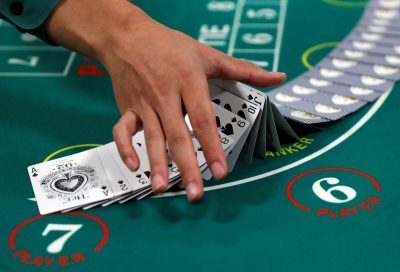
Many gamblers become trapped in a cycle where they believe that a big win is just around the corner. This hope can lead to an escalation in gambling activities, causing financial distress and emotional turmoil. As the stakes increase, so do the psychological strains, leading to anxiety, depression, and in some cases, suicidal thoughts.
The impact on mental health
The psychological toll of gambling can manifest in various mental health issues. Individuals may experience heightened levels of stress and anxiety as they grapple with their gambling habits. This can lead to emotional instability, where periods of euphoria from wins are followed by deep despair from losses. In addition to anxiety, depression is a common consequence of gambling addiction.
The shame and guilt associated with losing money can further exacerbate these feelings, creating a vicious cycle. Seeking help becomes daunting as the individual may fear judgment or embarrassment, preventing them from addressing their issues and finding support.
The role of social relationships
Gambling addiction can severely strain personal relationships. Friends and family may feel helpless as they watch their loved one struggle, leading to feelings of isolation for both the gambler and their support network. Trust can be broken, and financial burdens can strain relationships to the breaking point. Moreover, social withdrawal is common as individuals may choose to gamble rather than engage with friends and family.
This isolation can deepen feelings of loneliness and contribute to mental health issues, highlighting the importance of open communication and support systems for those affected.
Strategies for recovery
Recovering from gambling addiction requires a multifaceted approach. Therapy options such as cognitive-behavioral therapy (CBT) can be particularly effective. CBT helps individuals recognize and change their thought patterns surrounding gambling, allowing them to develop healthier coping mechanisms. Support groups also play a crucial role in recovery.
Engaging with others who understand the struggles of gambling addiction can provide a sense of community and accountability. By sharing experiences and strategies, individuals can find encouragement and guidance on their journey to recovery.

The website’s commitment to awareness
This website serves as a valuable resource for individuals seeking to understand the complexities of gambling and its impact on mental health. By providing insightful articles, news, and updates within the gambling industry, it aims to foster awareness of the psychological effects associated with gambling.
Through education and outreach, the site emphasizes the importance of mental health and encourages individuals to seek help when needed. It stands as a platform for sharing knowledge and supporting those affected by gambling-related issues, reinforcing the idea that recovery is possible with the right resources and support.
Leave a Reply