Cultural significance of gambling Exploring its role in society and tradition
The Historical Context of Gambling
Gambling has roots that extend deep into human history, with evidence of games of chance dating back thousands of years. Ancient civilizations, such as the Chinese, Egyptians, and Romans, engaged in various forms of gambling, integrating these activities into their cultural practices. These early forms of gambling were often linked to rituals and religious beliefs, reflecting a society’s views on fate and luck. As players enjoy their experiences, they can visit the Casoola website to discover modern options that honor these ancient traditions.
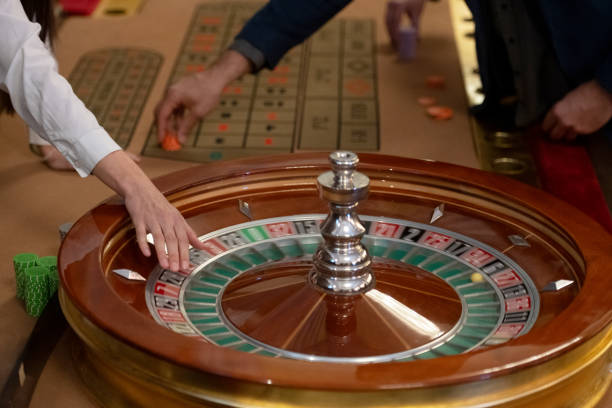
As societies evolved, so too did the forms of gambling. By the Middle Ages, gambling was firmly established in Europe, with games like dice and card games becoming popular among the nobility. The transition of gambling from a noble pastime to a widespread activity among all social classes marked its significance as a tool for socialization and entertainment.
Gambling as a Cultural Practice
Gambling is more than just a form of entertainment; it serves as a cultural practice that reflects societal values and norms. In many cultures, gambling is associated with celebrations, communal gatherings, and rites of passage. For example, in some Indigenous cultures, traditional games involving chance are played during festivals, reinforcing community ties and heritage.
The significance of gambling is also evident in literature and art, where it often symbolizes risk, reward, and the human condition’s complexities. From Shakespeare’s “Othello” to modern films, gambling represents not just a game of chance but a metaphor for the uncertainties of life, showcasing its deep-rooted cultural relevance.
The Psychological and Social Implications of Gambling
Gambling plays a notable psychological role in many societies, offering an escape from reality and a chance for social connection. For some, the thrill of the game and the adrenaline rush associated with winning can be deeply satisfying. This psychological aspect can foster camaraderie among participants, creating bonds that may not exist outside of the gaming environment.
However, the psychological implications of gambling are not solely positive. It can also lead to addiction and detrimental effects on individuals and families. Societal attitudes towards gambling must consider both the enjoyment it provides and the risks it poses, leading to discussions on responsible gambling and support systems for those affected.
The Impact of Technology on Gambling
The rise of technology has dramatically transformed the gambling landscape, making it more accessible than ever. Online casinos and sports betting platforms have proliferated, allowing players to engage in their favorite activities from the comfort of their homes. This technological advancement has not only changed the way people gamble but has also influenced social interactions surrounding it.
Furthermore, advancements such as mobile applications and virtual reality have created immersive gambling experiences, attracting a younger demographic. The digital age has not only expanded the reach of gambling but has also raised questions about regulation, safety, and ethical considerations in the industry.
Casoola and the Modern Gambling Experience
Casoola exemplifies the modern online gambling experience, catering specifically to players in Australia. With an extensive library of games, including slots and live tables, it combines traditional gaming elements with the convenience of online access. The platform prioritizes player safety through robust security measures and responsible gambling tools, ensuring a secure environment for all users.
As the gambling landscape continues to evolve, Casoola remains committed to providing an exciting and enjoyable gaming experience. With attractive welcome packages and around-the-clock support, it reflects the cultural significance of gambling in today’s society while adapting to the technological advancements shaping the future of the industry.
Leave a Reply